Just so you know: This post contains affiliate links. If you click through and make a booking or purchase, I may earn a small commission, at no extra cost to you.

30 mins from Liverpool

Free parking on site

Allow 5+ hours

Pram friendly

Bring water shoes
WWT Martin Mere Wetland Centre is about 30 minutes from Liverpool, which makes it an easy day out without feeling like a long haul. We went on 29th July during the school holidays with our four year old and our ten month old baby, plus my niece and my mum. We were there for five hours without running out of things to do. We could easily have stayed longer.
It was busy. The car park was full when we arrived, and we ended up in the overflow, but the site is 600 acres, and it never felt crowded once you were inside. The staff were directing cars in the car park, which made it organised rather than chaotic, and check-in was quick and smooth because we’d pre-booked online and just needed our barcode scanned.
One thing to know immediately after you check in: you turn left to enter, then look for the information counter on the right. It’s easy to miss, and that’s where we picked up the dragonfly trail information. If I hadn’t been specifically looking for it, we’d have missed it and spent the day without knowing what we were supposed to be hunting. It’s staffed, so just ask when you get there, but make a point of going to it rather than assuming it’ll catch your eye.
We paid £30 for two of us. One adult and one junior, with our ten month old going free. Whether that’s worth it is a fair question and one I’ll answer honestly in this post, along with everything else you need to know before you go.
What is WWT Martin Mere
WWT Martin Mere Wetland Centre is a 600 acre wetland nature reserve and wildfowl collection in Burscough, West Lancashire, managed by the Wildfowl and Wetlands Trust. It opened in 1975 and has welcomed over seven million visitors since. It’s a Site of Special Scientific Interest, a Special Protection Area and a Ramsar wetland site of international importance, which sounds technical but essentially means it’s one of the most significant wetland habitats in the country.
In practical terms for a family visit, it’s a combination of a living wildfowl collection where you can get up close to over 70 species of birds from around the world including flamingos, otters, storks, cranes and black swans, a large nature reserve with 11 hides and viewing screens around the mere, a range of family activities including pond dipping, a craft room, canoe safari, adventure playground, splash play area and the brand new stepping stones, and a programme of seasonal events and festivals throughout the year.
It’s a proper full day out rather than a two hour visit, which at the current ticket price is the right way to approach it. Come with time to spare and a rough plan of what you want to do rather than wandering in and hoping for the best – more on that in the practical tips section.
Where is WWT Martin Mere?
Address: WWT Martin Mere Wetland Centre, Fish Lane, Burscough, Lancashire, L40 0TA
From Liverpool it’s around 30 minutes by car. From Southport it’s around 20 minutes and from Ormskirk around 10 minutes. The postcode for Martin Mere stepping stones and the main entrance is the same. It’s L40 0TA, so the sat nav will take you directly to the site. There are three railway stations within a couple of miles: Burscough Bridge, Burscough Junction and New Lane, but none are within easy walking distance, so a car is the most practical option for most families. Free parking is available on site, with an organised overspill car park for busy days.
WWT Martin Mere prices and tickets
Booking online in advance saves 10% and is worth doing before you visit. Don’t leave it to pay on the door if you can help it. Here’s the current pricing from the board at the entrance:
Tickets
|
Adult |
£19 |
|
Concession |
£17.25 |
|
Junior (3-17 years) |
£12.35 |
|
Family |
£53.45 |
|
Under 3s |
FREE |
Book online and save 10%

What we paid
We paid £30 for two of us, and booked online. One adult and one junior, with our ten month old going free. It’s not cheap, and it’s a question that comes up a lot in reviews. The honest answer is that it’s worth it if you treat it as a full day out and make the most of everything on site, which five hours barely covered. If you’re in and out in two hours, it’s going to feel expensive. Go with time to spare.

Gift Aid
Adds around 10% on top of each price if you’re a UK taxpayer, which goes directly to WWT’s conservation work. Worth adding at checkout if you can.

Discount codes and blue light card
There’s no blue light card discount or standard discount code for Martin Mere. The 10% online booking saving is the main way to reduce the price. Worth checking the WWT website before you book for any current promotions.

Opening times
– Summer (April to October): 9.30am to 6pm, last admission is 5 pm
– Winter (November to March): 9.30am to 4.30pm, last admission 3.30pm
– Open 364 days a year – closed Christmas day only

Universal Credit tickets
WWT offers significantly reduced admission for Universal Credit recipients. If this applies to you, check the WWT website for current eligibility and how to book before you visit. It’s not widely advertised on the day, so it’s worth knowing about in advance.

Membership
If you’re likely to visit more than twice a year or want access to all nine WWT centres across the UK, membership makes financial sense. Prices are currently frozen at £7.25 per month for a one adult family membership and £9.75 for two adults with up to six children. Worth knowing that you can also upgrade your admission ticket to an annual WWT membership on the day of your visit, using the price you’ve already paid toward the membership cost. Ask at the admissions desk when you arrive.
Arriving at WWT Martin Mere – what to do first
After you’ve checked in and picked up your dragonfly trail information from the counter near reception, the first thing worth doing is checking the activity timetable in the trail booklet. The times for all the activities throughout the day are listed in there. When we visited, there was a bubble party, pond dipping sessions, otter feeding and everything else. This isn’t obvious when you arrive, and if you don’t check it, you’ll miss things without realising. We were lucky the bubble party started shortly after we arrived.
Near the entrance there’s a small pond with ducks which the children naturally gravitated to, and just beyond that are the activity stations. There was frog jumping, bean bag throwing, hoop throwing and various other games that kept the girls occupied while we got our bearings. It’s a gentle, low-key start to the day that works well for settling younger children in before you head further into the site.
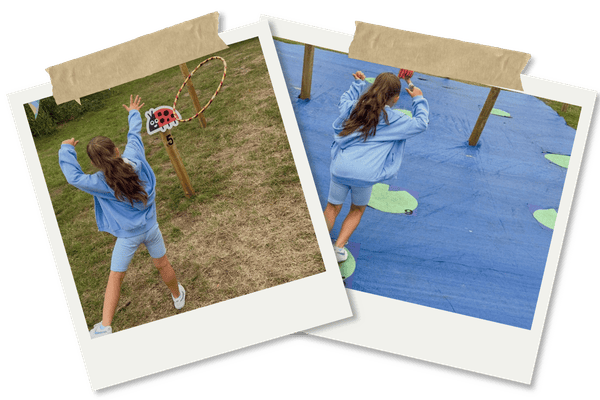
The bubble party was close to this area and ran shortly after we arrived. It’s part of the Dragonfly Festival running from 18th July to 31st August 2026, and was a short show where they introduce the dragonfly theme and explain the hunt. During the festival, there are 16 dragonflies hidden across the site, each numbered, and you have to identify which species each one is from the booklet and write the name against the number. It sounds simple, but the dragonflies are spread across the whole site, including down paths and routes we didn’t find, so it genuinely keeps you exploring rather than just walking the obvious routes.
If you’re visiting outside the Dragonfly Festival dates, the activity timetable in your entry booklet will cover whatever seasonal programme is running. Martin Mere runs different themed events throughout the year so there’ll be something on regardless of when you visit.
16
dragonflies hidden across the reserve during the festival

The wildlife walk and animal collection
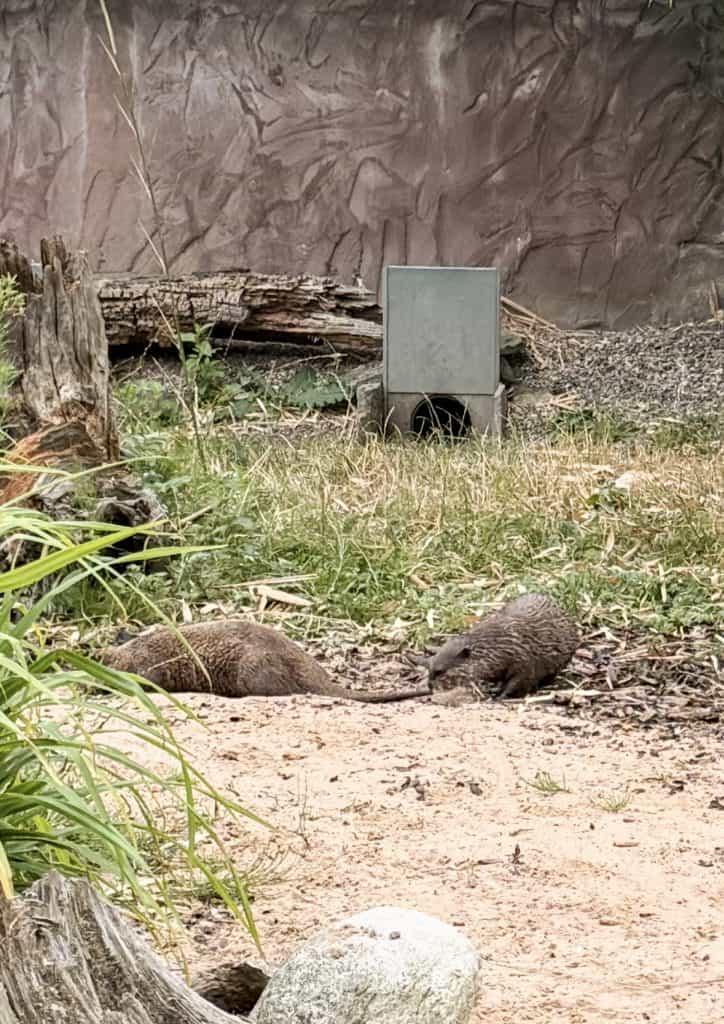
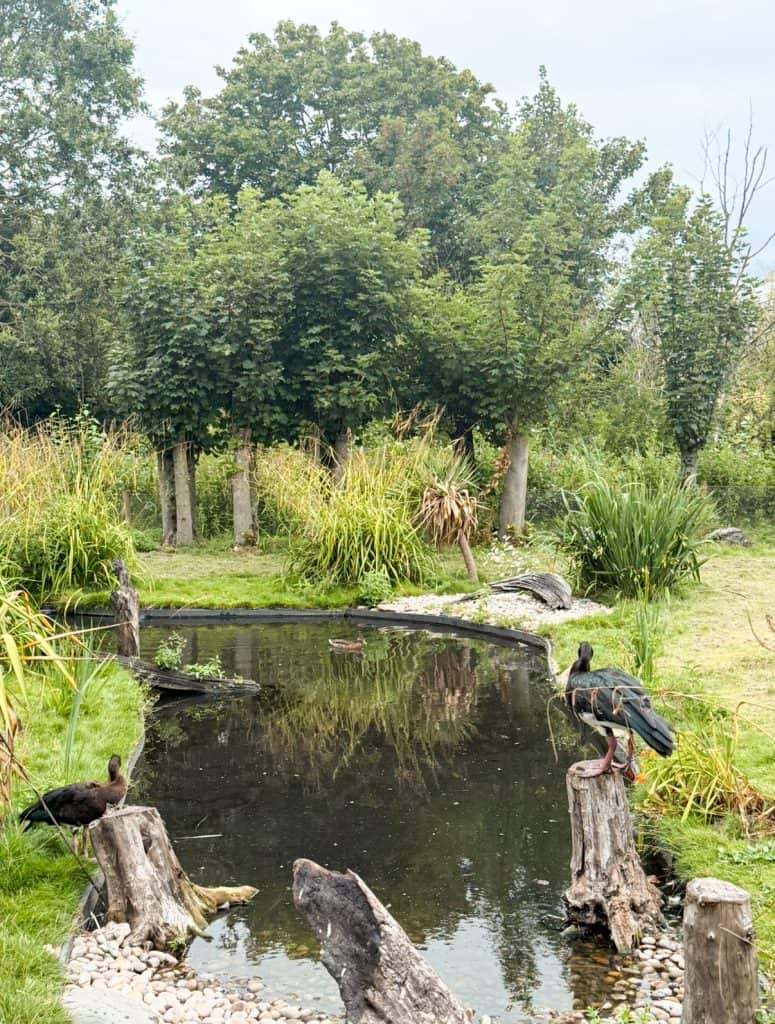
After the bubble party, we made our way along the main path through the wildlife collection. The otters are one of the first highlights. There’s a viewing area where you can watch them, and if you time it with a feeding session, the whole thing becomes much more animated. Worth checking your booklet for feeding times before you set off.
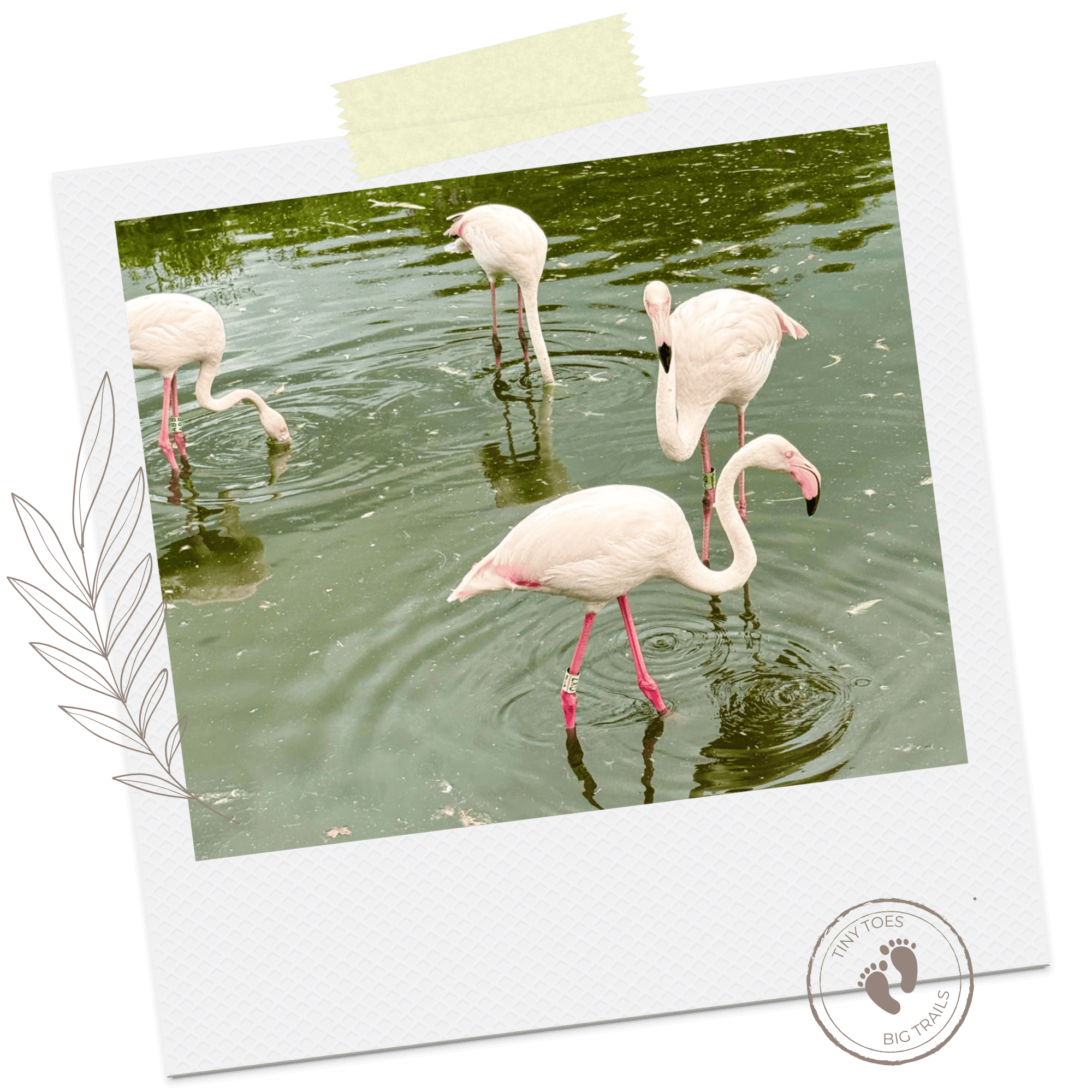
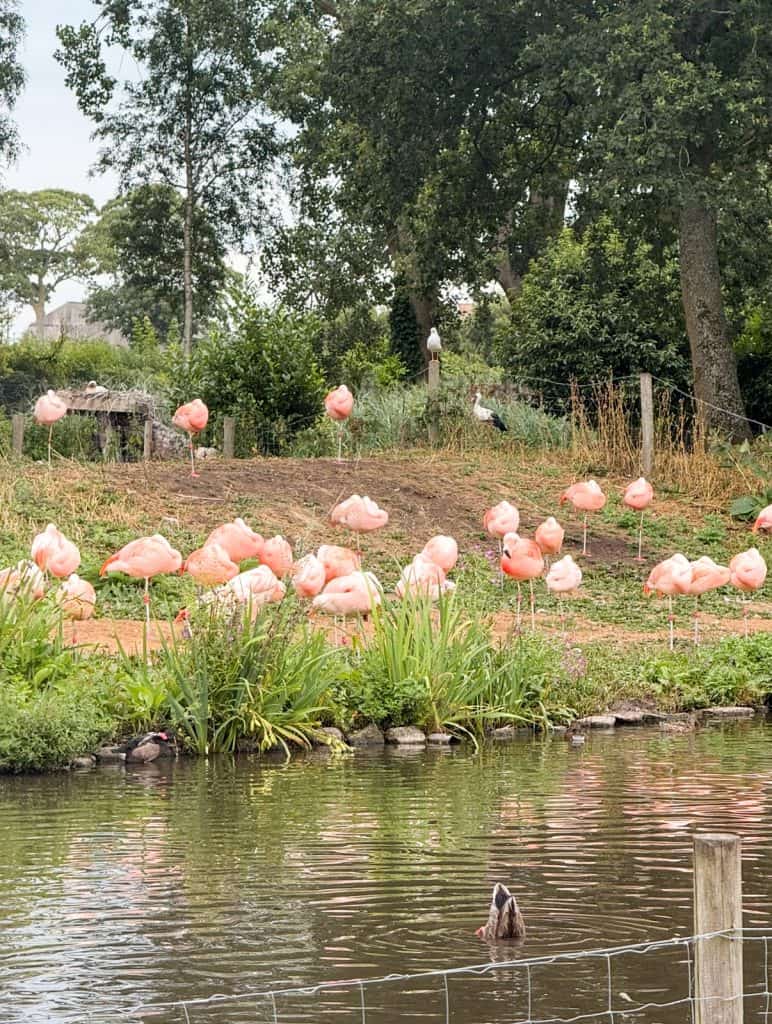
The flamingos are nearby and are one of those genuinely surprising moments. You don’t expect to see flamingos in Lancashire, but there they are, a full flock of them in a large lagoon, completely unbothered by the crowds.
Along the path there are small deliberately created water channels running just off the route with ducks swimming in them. They’re not puddles, not ponds, just shallow streams of water that are clearly intentional and genuinely lovely. The problem with them when you have toddlers is that they’re exactly the right size for small children to want to splash in. We had to keep redirecting the younger ones away. Don’t make my mistake and take waterproof shoes or wellies. The temptation to step in is significant, and the path around these areas can be damp underfoot. More on footwear in the practical tips section.
There’s also a set of mini stepping stones along this section of the route, which we initially thought might be the famous ones given they’re the first ones you come across. I was doubtful given I’d read about Europe’s longest stepping stones, and rightly so; these are a much shorter practice run rather than the main event. It’s worth knowing in advance so your children don’t use up all their enthusiasm here. This is actually where our older daughter misjudged a step and went in with one foot and had soggy shoes for the rest of the day. If the mini stepping stones catch them out, the main ones are coming later and are significantly longer.
Worth knowing
These mini stepping stones are NOT the famous ones. These are just the warm-up.

Paddle and Play, boats, kiosk and the toilet incident

The Paddle and Play area is one of the newer additions to Martin Mere, opening in 2025, and it’s particularly well suited to younger children. It’s a natural water play area built around a hand-crafted water rill, which is essentially a flowing stream channel with sluice gates that children can raise and lower to control the water flow, rain curtains, splash pools and in-ground trampolines, all set amongst glacial boulders and natural materials. It’s gated, which makes it easier to manage young children, and it’s been designed with accessibility in mind, with everything at heights suitable for toddlers and wheelchair users.
It’s primarily aimed at under 4s but older children get plenty out of it too. The sluice gates in particular are one of those simple mechanisms that children find completely absorbing. The idea that you can control the flow of actual water by pulling a lever is genuinely satisfying at almost any age.
Bring a change of clothes and a towel if you’re planning to let your children use the water area. A swim nappy if they’re still in nappies. They will get wet. The area is open from 10am to 5.30pm during summer hours.
There are picnic benches around the Paddle and Play area which make it a good spot to sit while children play and younger babies rest, which is useful to know if you’re planning to eat your packed lunch here.
The boat tours run from the same area. They’re a guided canoe safari through the wetland waterways led by a member of staff, taking you through hidden channels and past wildlife you wouldn’t see from the main paths. We didn’t do it on our visit as it wasn’t practical with a ten month old and my mum with us, but it looked genuinely worth doing for families with older children. It costs extra on top of admission. Check the WWT website for current prices and to book in advance as slots are limited.
The midway kiosk is right here too, next to the boats. It’s open on weekends and school holidays and sells soft scoop ice cream, cold drinks and snacks.
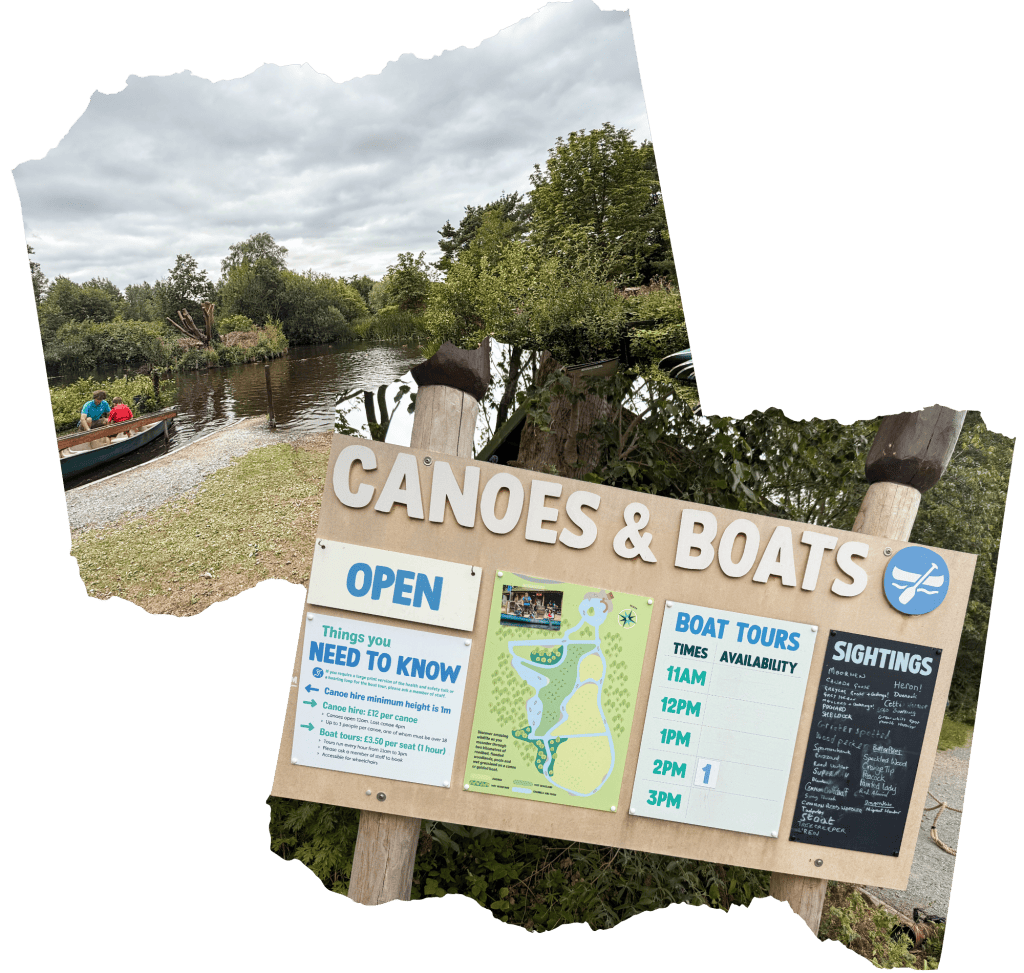
The toilets are also in this area, which is useful to know for timing purposes. One thing worth flagging: the toilets here are compost toilets rather than standard flush ones. I didn’t realise this, pulled what I thought was the flush and set off the alarm instead. Staff came; it was handled calmly, nobody made me feel terrible about it, but I’m flagging it here so nobody else does the same thing. The alarm cord and the composting mechanism look similar enough that it’s an easy mistake to make.
The Martin Mere stepping stones
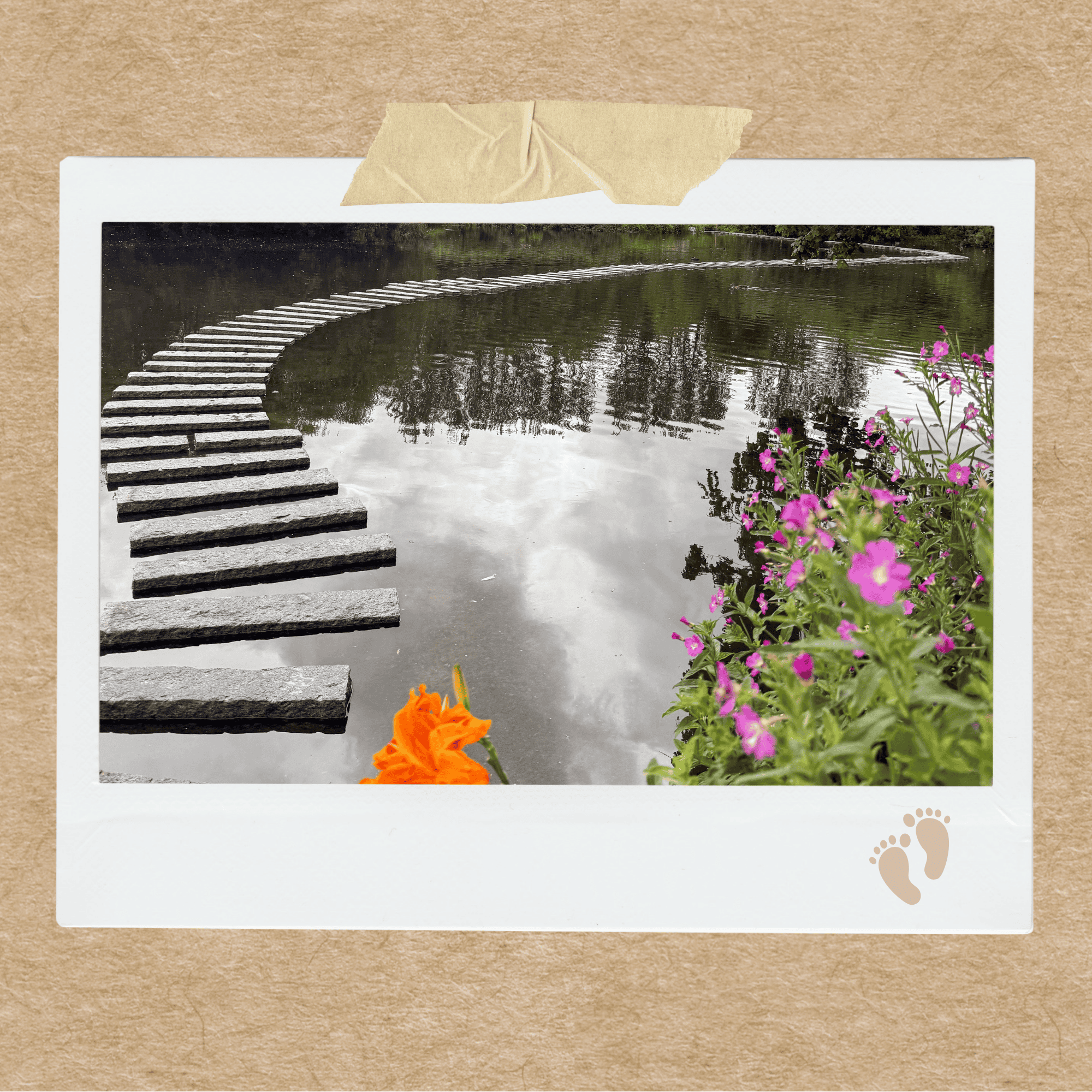
This was the highlight of the day and the thing I’d most want people to know about before they visit. The stepping stones at Martin Mere opened in July 2026 and are believed to be Europe’s longest continuous stepping stones – 68 metres across the water with 143 stones. They’re impressive in a way that’s hard to convey from photos.
Our older daughter absolutely loved them. The crossing takes you out across open water, which is a completely different sensation from the mini stepping stones earlier on the route, and the length of them means it’s a proper challenge rather than just a few hops. The water immediately around each stone is shallow but gets deeper further out, so adult supervision is essential throughout – this isn’t somewhere to let children cross independently.
The tip I most want to share is about footwear. We put our daughter in trainers.
It was a warm day, not warm enough for sandals, and we hadn’t thought wellies were necessary. One foot went straight into the water when she misjudged a step, and she had a soggy shoe for the rest of the afternoon. The stones are not slippery exactly, but they’re wet and uneven, and one wrong step is enough. A pair of kids’ crocs or water shoes is the single best thing you can pack for a Martin Mere visit – something that can get completely wet without ruining the rest of the day.
There are three crossing points on the stones, which means if your child is tired or nervous halfway across, you can exit without having to complete the whole thing. Worth knowing before you start so you can reassure a hesitant child that they don’t have to commit to the whole 68 metres from the beginning.
The stepping stones are included in your general admission – no separate ticket needed, no booking required. The postcode for Martin Mere and the stepping stones is L40 0TA. Just follow the signs from the main path.
Mere Tun village
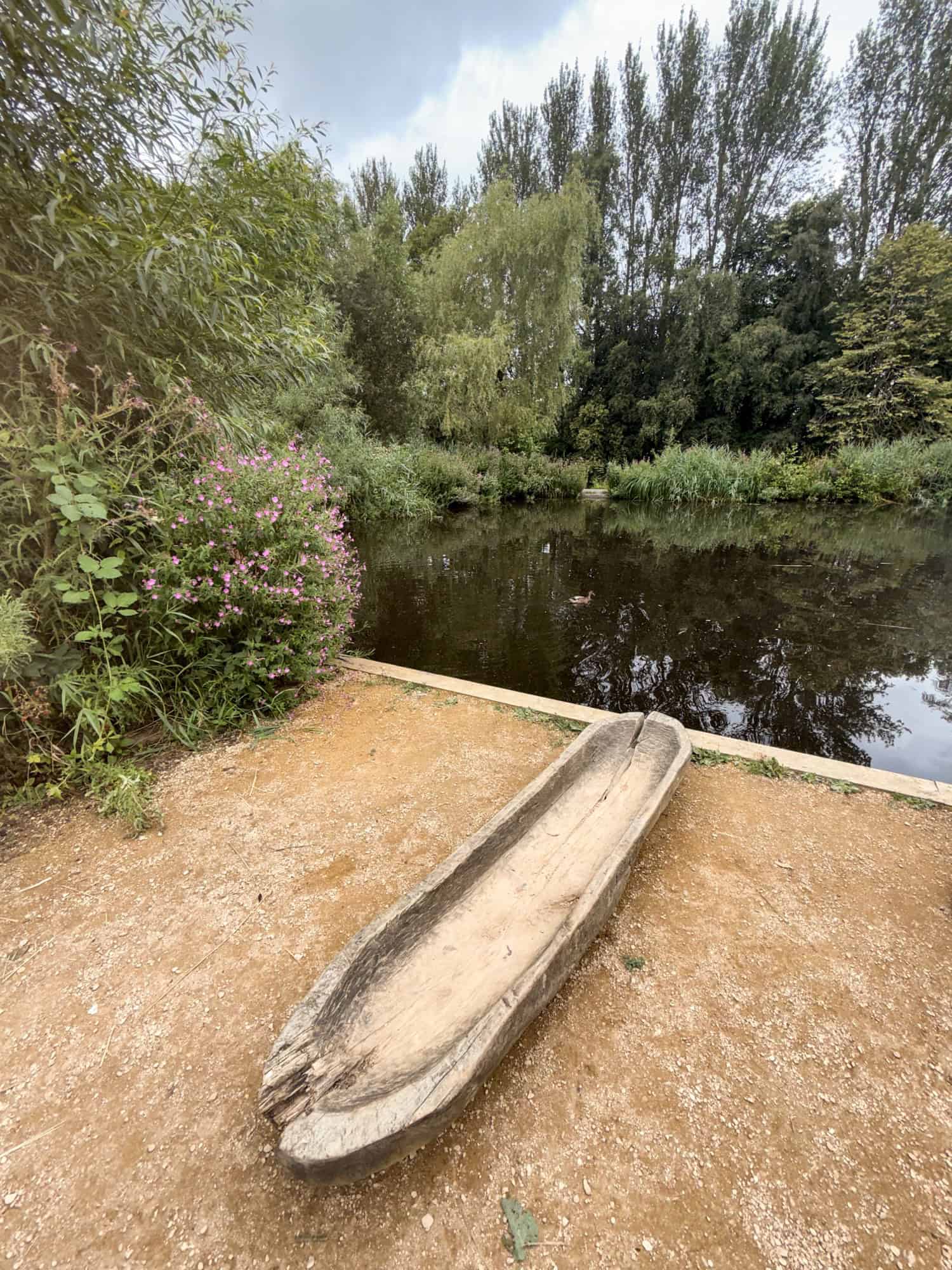
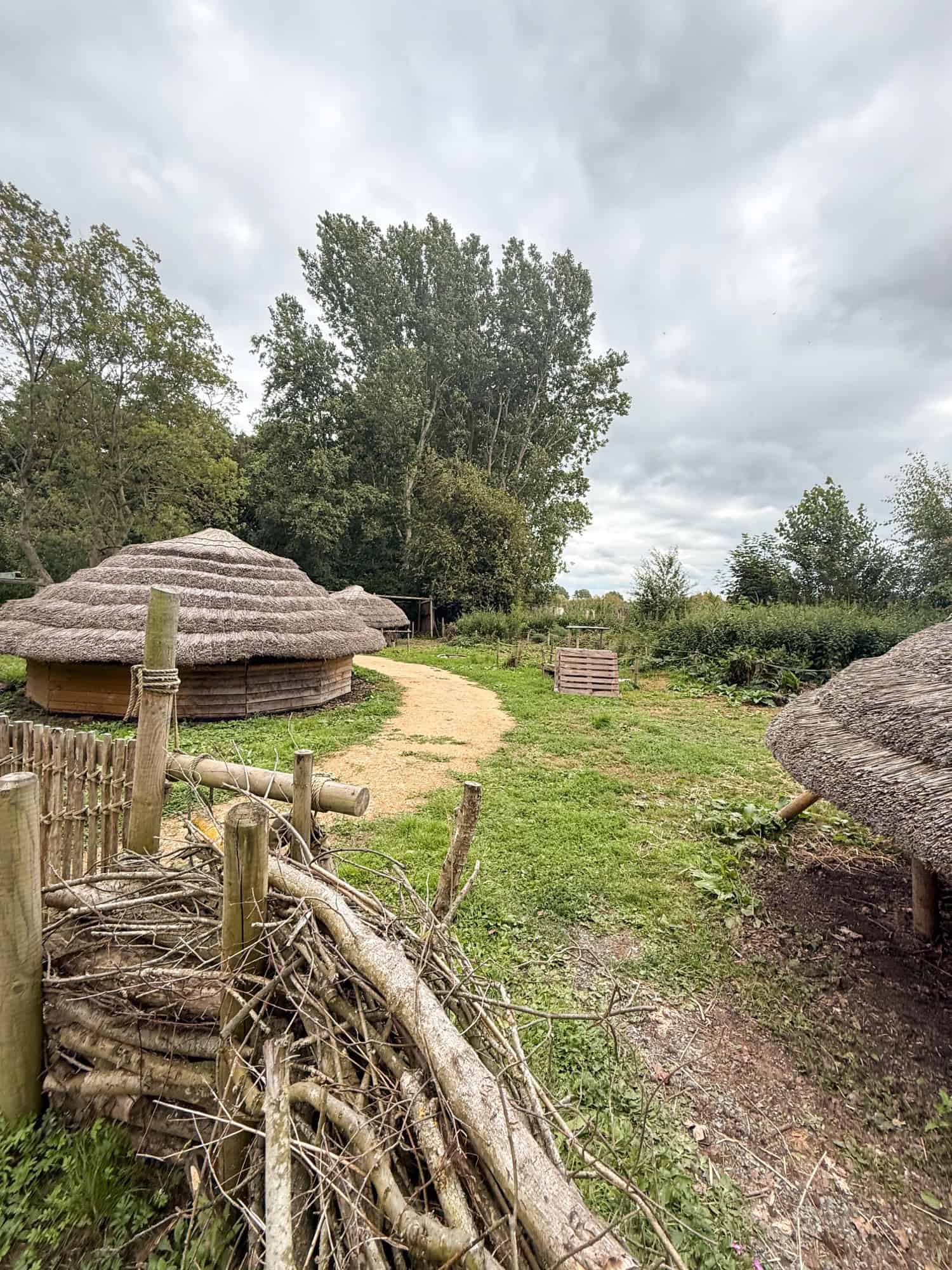
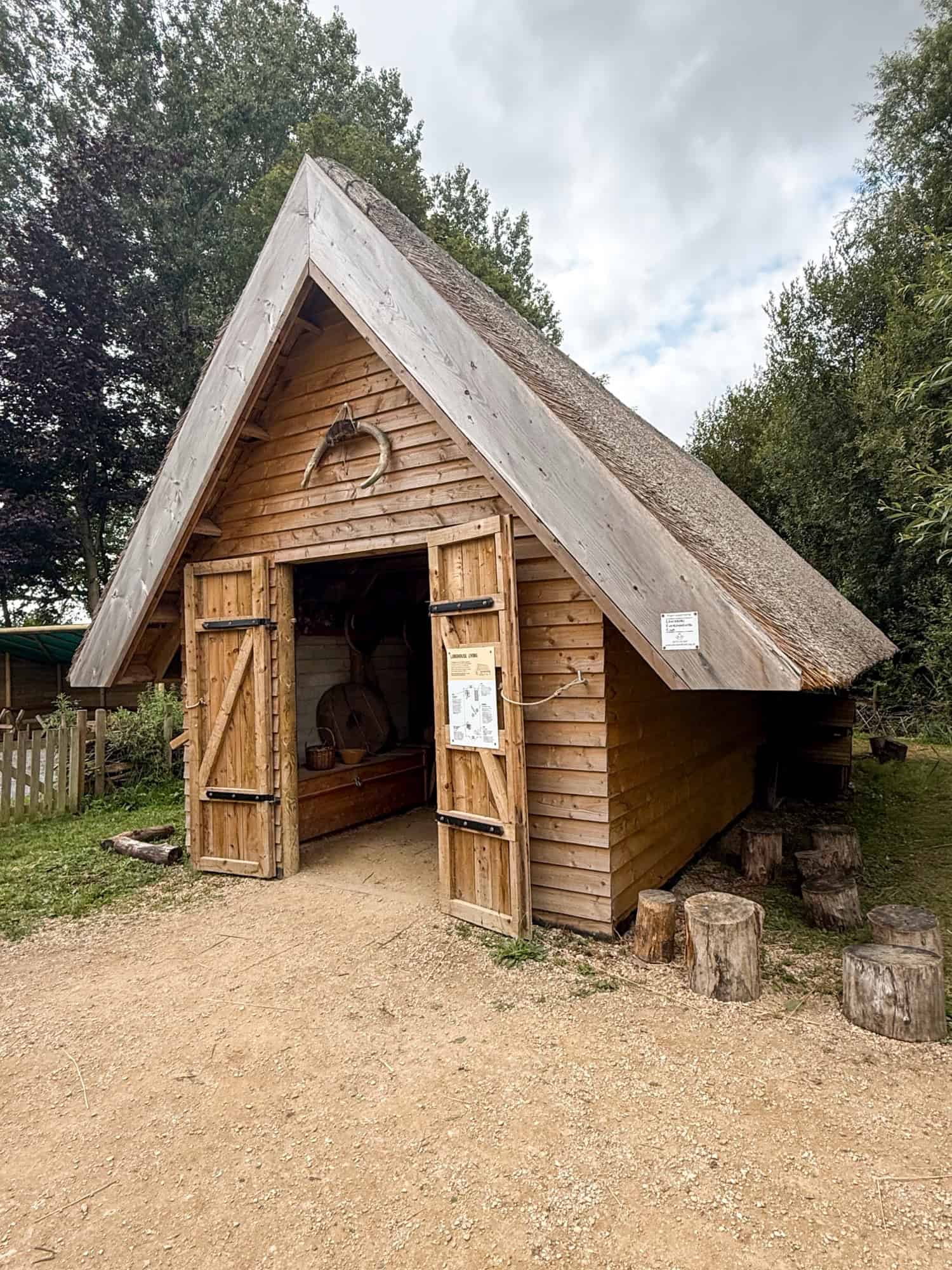
As you explore further into the reserve, you’ll come across Mere Tun, a reconstruction of an Anglo-Saxon wetland settlement with a sign at the entrance reading “Welcome to Mere Tun – experience what wetland living was like 1000 years ago and how useful wetlands are to us here and throughout the world.”
It’s far more impressive than you’d expect from a nature reserve. There’s a thatched roundhouse, a longhouse with detailed information panels inside explaining how the chief’s family lived. There’s the loom for weaving, the weapons for defence, the hearth for cooking, the beds made from flexible wood and reindeer skins. Outside there’s a replica dugout canoe by the water’s edge.
The information is well presented and accessible without being dumbed down, and the physical reconstruction means children can actually go inside the buildings rather than just reading about it. Worth factoring time in for it rather than walking past
Mere Tun is primarily used for school visits during term time but is open to the public during school holidays. It’s not always well signposted, so it’s easy to miss if you stick to the main paths, so look out for it as you explore the outer sections of the reserve.
The Harrier Hide
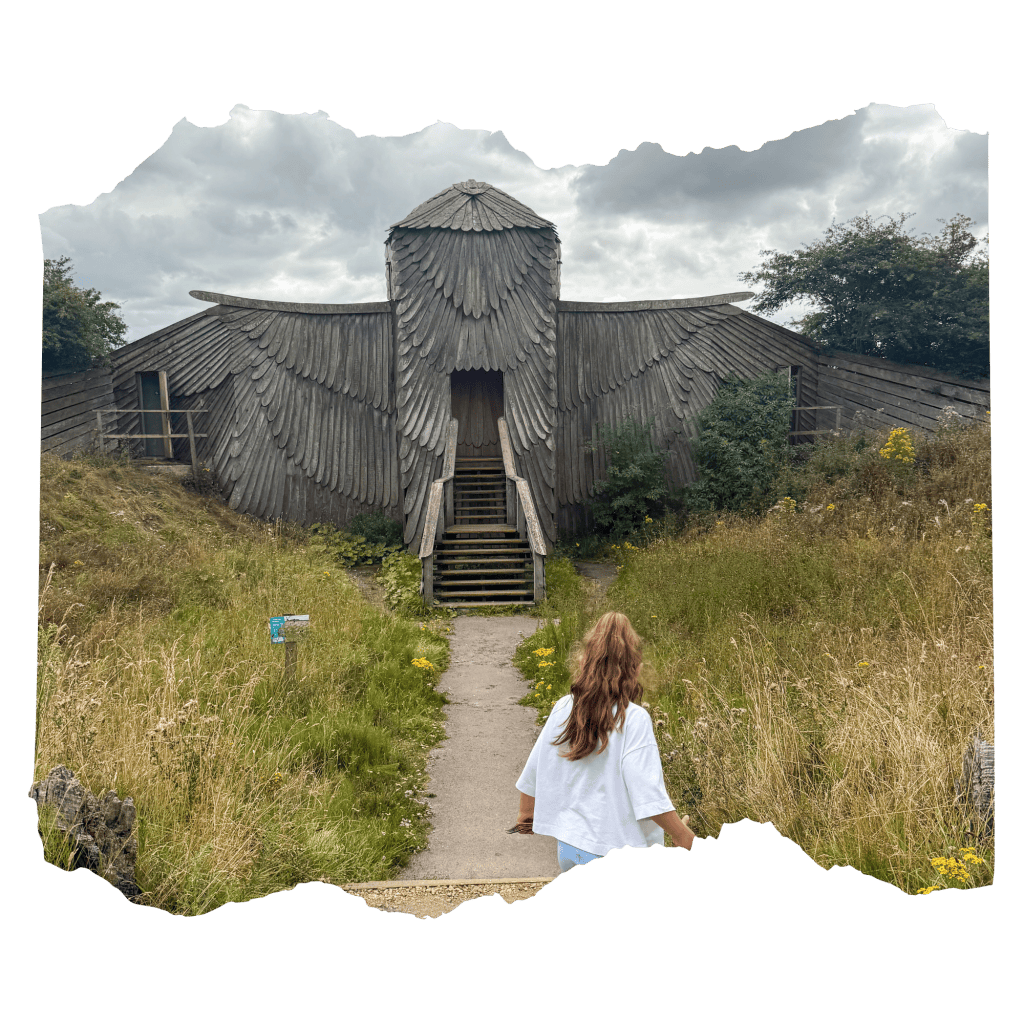
The Harrier Hide was the unexpected highlight of the second half of our visit. It’s tucked away in the woodland and genuinely felt like a discovery. It’s a building hidden among the trees that you’d walk straight past without knowing it was there unless you went looking. The hide is named after a previous curator of the site in honour of their dedication and hard work, as are several of the other named hides across the reserve.
Once inside, you look out over open marshland and wetland pools which are completely still and calm. It felt like a different world from the busy main paths. It’s one of those moments that makes Martin Mere feel like more than a standard day out. Worth seeking out rather than sticking to the obvious route.
We did pop our heads into another hide further along, but there were serious birdwatchers with binoculars inside, and it didn’t feel right to bring our noisy children in and disturb them. The hides are shared spaces, and so a quick look is fine, but it’s worth keeping children calm if you go in, particularly the more remote ones which attract dedicated wildlife watchers.
There are designated quiet routes around the reserve clearly marked on the map, which is worth knowing about even if, like us, you don’t end up using them with young children in tow.
The adventure playground and end of the visit
Near the exit there’s a large adventure playground that’s worth knowing about before you arrive so you factor in time and energy for it at the end. It’s well equipped for a range of ages, with proper climbing frames and zip wires for older children alongside see-saws and gentler equipment for younger ones. There are toilets here too, and a small kiosk selling ice creams, so it’s a self-contained area where you can comfortably spend another 30 to 45 minutes before heading out.
Our daughter did go in despite having had a nasty fall earlier in the visit; she was braver than I’d have been in her position. We didn’t stay long given the circumstances, but on a normal day I can see it being the kind of place that’s hard to drag children away from.
Coming out of the playground, you’re back at the visitor centre and the genuinely good gift shop. It’s well stocked with nature-themed toys, books, games and wildlife gifts rather than the generic tat you get at some attractions. We picked up a little gift for our daughter for being brave about the fall, which felt like exactly the right end to the day.
If you’re a WWT member or considering joining, this is also a good moment to speak to the admissions team on the way out, as you can upgrade your day ticket to an annual membership using the price you’ve already paid, which means you leave having essentially already started your membership.
Practical tips for WWT Martin Mere

Book online in advance.
You save 10% by booking ahead rather than paying on the door. Given the ticket price, that saving is worth having.

Check the activity timetable in your booklet immediately.
All the session times for the day, so the bubble parties, pond dipping, otter feeding and everything else, are listed in there. If you don’t look at it when you arrive, you’ll miss things without realising.

The mini stepping stones come before the main ones.
Don’t let your children burn all their enthusiasm on the shorter ones. Europe’s longest stepping stones are coming later and are significantly more impressive.

Bring a packed lunch. Picnic benches are dotted throughout the site, and you’re welcome to bring your own food. The café is there if you need it, but for families on a budget or with unpredictable eaters, having your own food means one less thing to manage. We brought a picnic blanket too, which gave us flexibility to sit anywhere rather than waiting for a bench. The midway kiosk sells ice cream and snacks if you need something in the middle of the day.

Pick up a map when you arrive. The site is 600 acres and genuinely feels like a maze in places once you get into the outer sections. Signs point in multiple directions, and it’s easy to miss things, including Mere Tun village and the Harrier Hide. If you stick only to the obvious routes. The quiet routes are also marked on the map if you want to avoid the busier paths.

No dogs or pets on site.
Trained assistance dogs are the only exception. Don’t bring the dog; you won’t be able to take them in.

The compost toilets don’t flush.
The alarm cord and the composting mechanism look similar. Do not pull the alarm cord thinking it’s the flush. I am speaking from experience.

You can upgrade your ticket to an annual membership on the day.
Ask at the admissions desk; you can use the price you’ve already paid toward a WWT membership, giving you unlimited free entry to all nine WWT centres across the UK.

Look for the information desk after check in.
There’s a counter just inside the entrance that’s easy to walk straight past. That’s where you pick up your activity booklet and any seasonal trail information. Don’t miss it.

Wear the right shoes.
This is the most important practical tip in this post. Waterproof shoes, Crocs or wellies for the children, not trainers. There are water channels along the path that toddlers will want to step in; the mini stepping stones will catch someone out, and the main stepping stones are 68 metres of wet, uneven surfaces. Our daughter went in with one foot on the mini stepping stones and had a soggy trainer for the rest of the afternoon. Crocs are the ideal footwear for a Martin Mere visit.

Bring a change of clothes and a towel.
If your children use the Paddle and Play water area, they will get wet. A swim nappy if they’re still in nappies. Factor this into your bag before you leave the house.

Pack a dry bag.
There are enough water activities at Martin Mere that you’ll almost certainly end up with wet clothes or shoes at some point. A dry bag is worth throwing in your rucksack for wet things; it’s much easier than stuffing soggy shoes into the bottom of your changing bag.

Give yourself a full day.
We were there for five hours and could have easily stayed longer. If you arrive expecting a two hour visit, you’ll either feel rushed or feel like you haven’t got your money’s worth. Clear your afternoon and treat it as a proper full day out.

No bikes, scooters or roller skates on site.
Worth knowing if you have children who might want to bring them.

Check Universal Credit eligibility before you go.
WWT offers significantly reduced admission for Universal Credit recipients, but it’s not widely advertised on the day. Check the WWT website before your visit if this applies to you.

The car park closes 30 minutes after the centre closes.
Don’t linger too long at the end; the gates lock, and there’s no overnight parking.
More days out near Liverpool
If you enjoyed WWT Martin Mere, these are worth adding to your list:
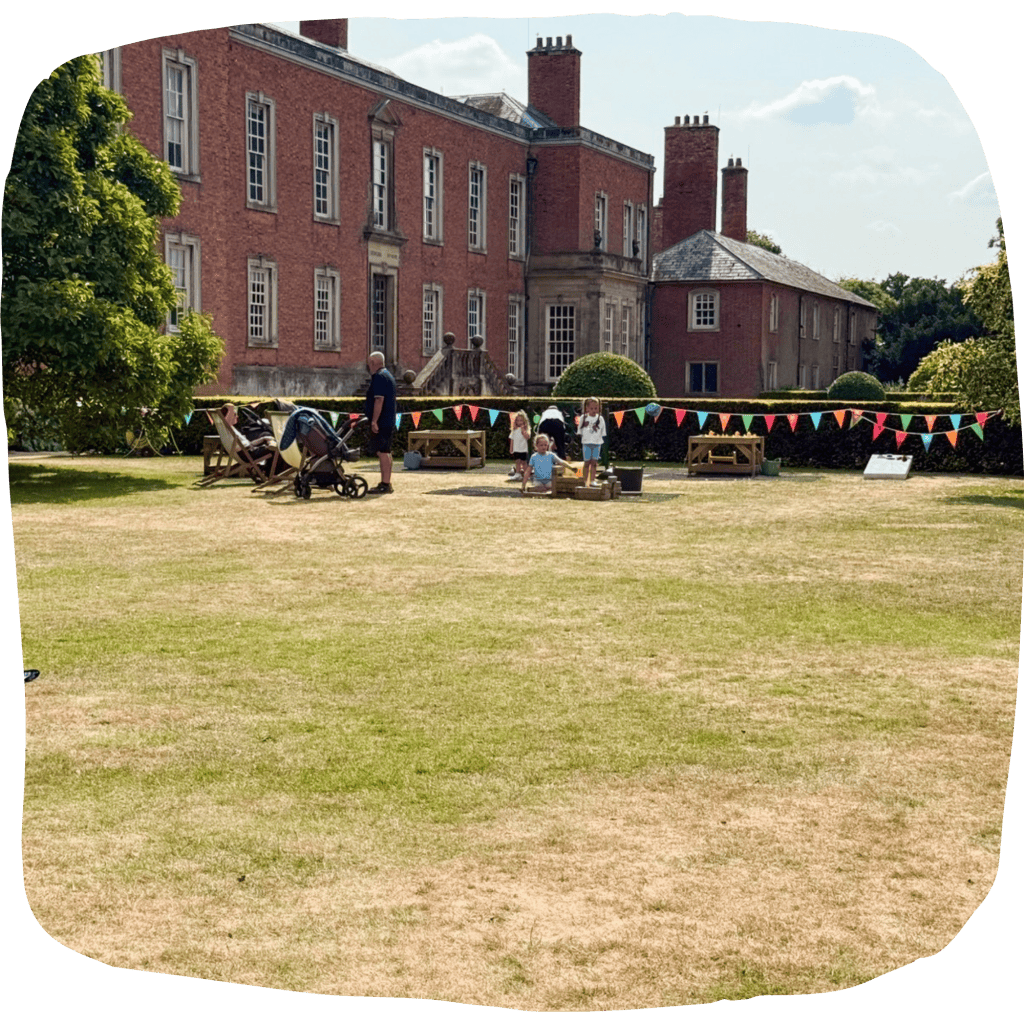
Dunham Massey with kids – a National Trust estate in Altrincham with formal gardens, a deer park and summer activities, around 40 minutes from Liverpool.

Lyme Park with kids – another National Trust property with a deer park, woodland walks and a grand house, around 45 minutes from Liverpool.
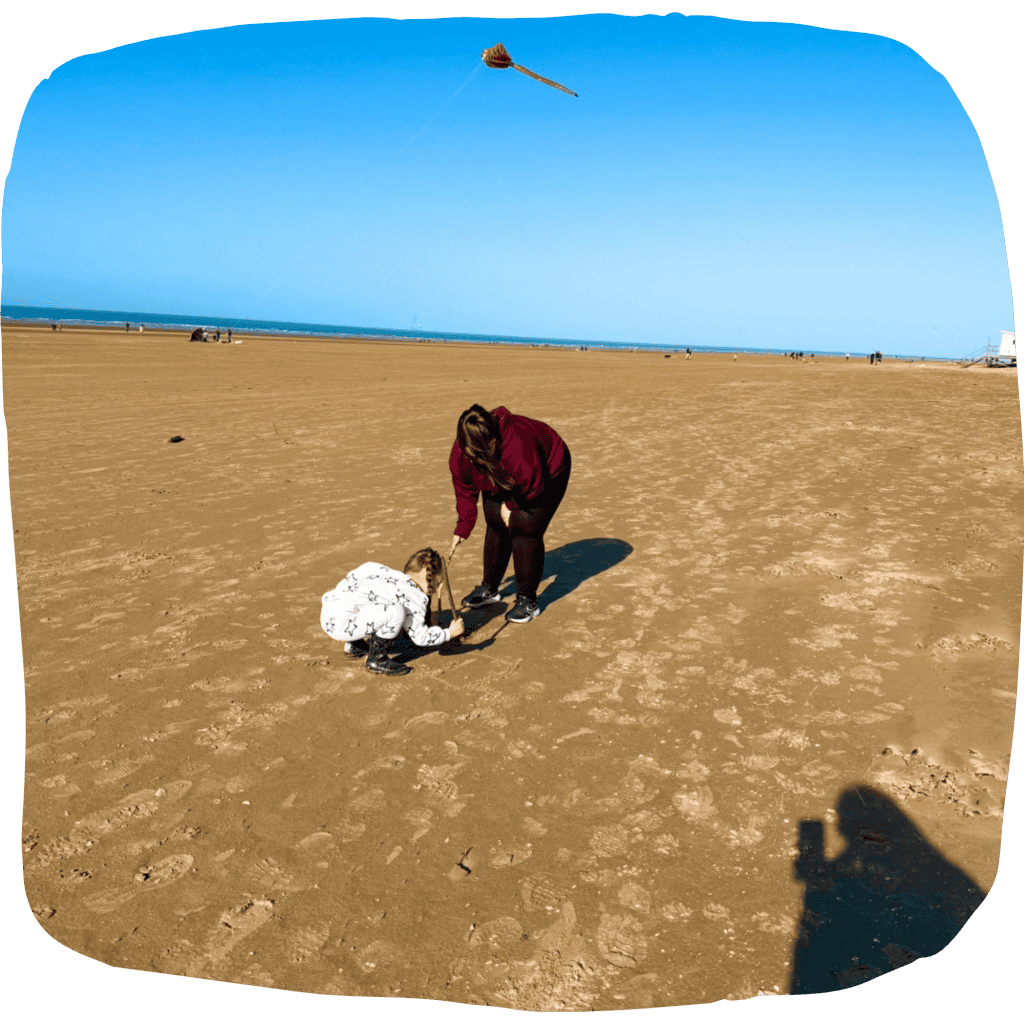
Formby Woods and Beach – a free day out on the Sefton coast with red squirrels, pine woods and one of the best beaches in the North West.

Farms near Liverpool – our full guide to the best farms near Liverpool for families including Farmer Ted’s, Acorn Farm, Windmill Farm and Croxteth Park Farm.
For more days out across the UK, head to our UK days out guide.

WWT Martin Mere FAQs
More UK guides:
-
Formby woods and beach: A local’s guide for families
Published: 8 June 2026 | Updated: 9 July 2026 Formby woods and beach: A local’s guide for families Just so you know: This post contains affiliate links. If you click through and make a booking or purchase, I may earn a small commission, at no extra cost to you. I’ve been going to Formby Woods…
-
Farms near Liverpool with kids: three we’ve actually visited
Published: 8 March 2026 | Updated: 9 July 2026Farms near Liverpool with kids: three we’ve actually visited Just so you know: This post contains affiliate links. If you click through and make a booking or purchase, I may earn a small commission, at no extra cost to you. If you’re looking for farms and farm…
-
Lyme Park With Kids: National Trust Day Out in Cheshire
Published: 6 March 2026 | Updated: 3 July 2026 Lyme Park With Kids: National Trust Day Out in Cheshire Just so you know: This post contains affiliate links. If you click through and make a booking or purchase, I may earn a small commission, at no extra cost to you. I’d heard about Lyme Park…
-
Story Time with Santa at Liverpool Town Hall: Is it worth it?
Published: 9 January 2026 | Updated: 7 July 2026 Story Time with Santa at Liverpool Town Hall: Is it worth it? Just so you know: This post contains affiliate links. If you click through and make a booking or purchase, I may earn a small commission, at no extra cost to you. If you’re searching…
-
Lapland UK Manchester with a baby and toddler: Honest review
Published: 16 November 2025 | Updated: 7 July 2026 Lapland UK Manchester with a baby and toddler: Honest review Just so you know: This post contains affiliate links. If you click through and make a booking or purchase, I may earn a small commission, at no extra cost to you. I’d known about Lapland UK…
-
Farmer Ted’s Christmas experience: Honest family review
Published: 18 July 2025 | Updated: 12 July 2026 Farmer Ted’s Christmas Experience: Honest family review Just so you know: This post contains affiliate links. If you click through and make a booking or purchase, I may earn a small commission, at no extra cost to you. Farmer Ted’s is about 15 minutes from where…